


ISLAMABAD: As Pakistan reels under crippling debt and an economic crunch, all eyes are now on Saudi Arabia’s next move: will Riyadh go beyond defence cooperation and pump billions into Pakistan’s struggling energy sector?
Barely weeks after signing a landmark defence agreement, Pakistan is preparing to push Saudi Arabia for the revival of the stalled $10 billion oil refinery project, while dangling fresh offers of stakes in oil and gas fields. Officials confirm that a high-powered Saudi delegation will land in Islamabad in early October to negotiate a multibillion-dollar package under the “Pakistan Bridge between Gulf and China” initiative.
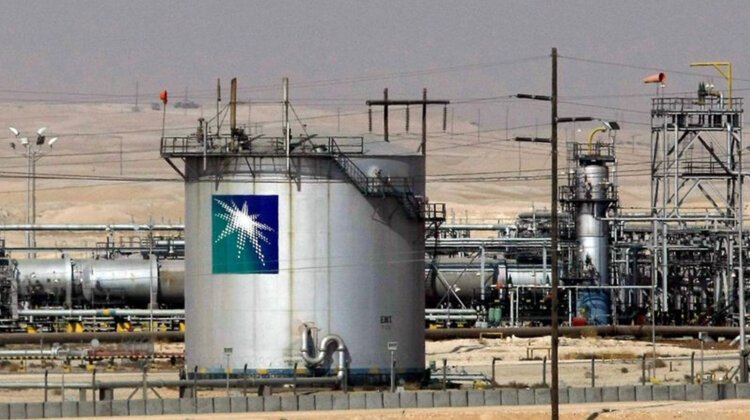
The proposed deals include reviving the refinery announced by Crown Prince Mohammed bin Salman in 2019, investing in a $300 million Pakistan State Oil (PSO) oil terminal at Hub in Balochistan, and entering joint ventures in offshore and onshore fields with OGDCL and Mari Petroleum. The refinery alone was once touted as the single-largest foreign investment in Pakistan’s history, but it stalled amid political friction between MBS and former Prime Minister Imran Khan.
With Pakistan desperate for cash inflows to stabilize its economy, the new push has acquired greater urgency. Insiders say Islamabad views Saudi economic support as a natural extension of the defence pact, which has already opened a “new era of relations.” But the key question is whether Riyadh is ready to match military cooperation with a financial lifeline at a time when Pakistan faces mounting debts and depleting reserves.
If the upcoming talks deliver, the partnership could redefine Pakistan-Saudi ties—merging strategic defence cooperation with energy security and economic revival. But if the refinery and oil deals fail to materialize once again, the alliance risks being seen as limited to the military domain, leaving Pakistan’s economic woes unresolved.


