


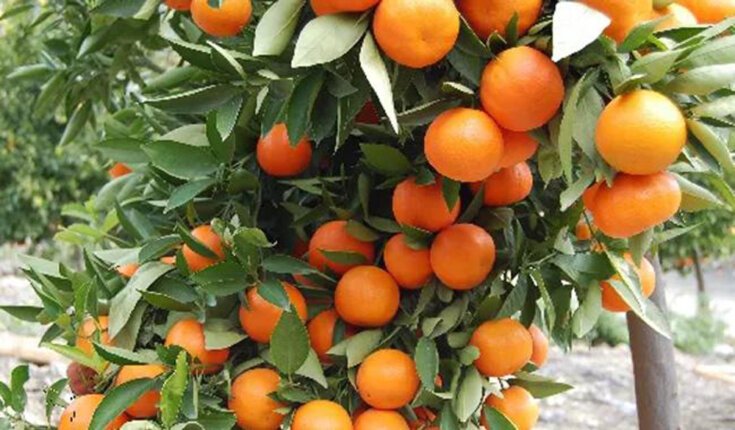
ISLAMABAD/KARACHI: Pakistan’s citrus export industry is facing mounting concern after Uzbekistan’s National Plant Protection Organization (NPPO) reportedly intercepted 34 consignments of Pakistani mandarins (Kinnow) over the alleged presence of red mite infestation, raising questions regarding the effectiveness of the country’s phytosanitary certification and quarantine compliance mechanisms.
According to official sources, the notifications were reportedly communicated to Pakistan’s Department of Plant Protection (DPP)/NPPO under the framework of the International Plant Protection Convention (IPPC), particularly in accordance with the International Standards for Phytosanitary Measures (ISPM-13). Sources said the interceptions were made after quarantine pests identified as “red mites” were allegedly detected in Pakistani mandarin consignments upon arrival in Uzbekistan. The affected consignments were reportedly destroyed by the Uzbek authorities.
In the wake of these developments, sources claimed that Mr. Yasin Murtaza Chaudhry, Additional Collector Customs currently serving as Director General of the DPP, recommended disciplinary action against certain entomologists, including Mr. Muhammad Taufeeq and Mr. Amjad Ullah. Departmental sources alleged that the recommendation was aimed at fixing responsibility on subordinate officials allegedly involved in the issuance of phytosanitary certificates without complete observance of the prescribed compliance procedures required by NPPO Uzbekistan.
Sources maintained that the alleged procedural lapses ultimately resulted in the interception of Pakistani kinnow consignments abroad. However, no official version from the officers concerned was available at the time of filing this report.
Pakistan’s mandarin exports to Uzbekistan are governed by stringent phytosanitary conditions, including mandatory cold treatment reportedly maintained at 2–3°C for 18 to 23 days, along with the procurement of fruit from pest-free production zones to minimise the risk of cross-border pest transmission. However, according to departmental sources, consignments belonging to several exporters, including Milat Trading Company, Quetta; Arshad & Co., Islamabad; Taj International, Sargodha-Bhalwal; and Qasswa International, Sargodha-Bhalwal, were allegedly cleared without full compliance with the prescribed safeguards, including the required cold treatment and documented sourcing from red mite-free orchards.
Sources further alleged that certain officials and intermediaries facilitated the clearance of consignments despite the alleged non-compliance. These allegations could not be independently verified, while no response from the exporters or officials named in the allegations was available despite efforts to obtain comments.
The matter has further drawn attention due to claims that one of the companies mentioned had previously faced suspension by the DPP in connection with earlier export interceptions involving potato and banana consignments to Uzbekistan and mango shipments to Iran. According to sources, the suspension was later restored following internal recommendations within the department. However, these claims remain unverified and no official record was made available for confirmation.
The controversy has also revived memories of an earlier phytosanitary crisis involving the interception of Pakistani rice consignments in international markets during 2023 and 2024 over contamination concerns, including pesticide residues, aflatoxin and mineral oil. The matter had resulted in legal action against several departmental officials and former senior functionaries.
The previous incidents had triggered criticism regarding regulatory oversight, institutional capacity and administrative handling within the export certification regime. Officials familiar with the matter noted that subsequent legislative reforms led to the promulgation of the National Agri Trade and Food Safety Act, 2025, under which the National Trade and Food Safety Authority (NAFSA) was established following the restructuring of the Department of Plant Protection framework.
The issue of appointments within the department has also remained controversial. Mr. Tahir Abbas, an Additional Collector Customs officer, had earlier been appointed as Director General DPP in January 2025. However, according to legal and departmental sources, his appointment was later challenged before the Sindh High Court on the grounds of qualification and experience requirements. Following subsequent developments, another customs officer, Mr. Yasin Murtaza Chaudhry, was appointed to the position. Legal experts and officials have continued debating the legality and administrative implications of these appointments.
Sources further alleged that despite repeated interceptions of Pakistani agricultural exports in international markets — including rice consignments intercepted in the European Union during 2025 and 2026, as well as the recent mandarin interceptions in Uzbekistan — no major disciplinary proceedings had been initiated against senior officials allegedly linked to the regulatory lapses. However, these allegations remain unproven and no official inquiry findings have yet been made public.
According to departmental and trade sources, repeated interceptions of Pakistani agricultural exports may expose the country’s citrus industry to serious commercial repercussions, including enhanced inspections by importing countries, additional treatment requirements, increased clearance costs and possible restrictions on exporters in cases of continued non-compliance.
Trade stakeholders warned that such incidents could adversely affect Pakistan’s credibility in international agricultural markets and called upon the federal government to initiate a transparent and independent inquiry into the issuance of phytosanitary certificates, compliance procedures and the alleged role of officials in facilitating non-compliant exports.
They stressed that strengthening regulatory oversight and ensuring strict adherence to international quarantine standards would be essential to protecting Pakistan’s export reputation and sustaining access to foreign markets.


