


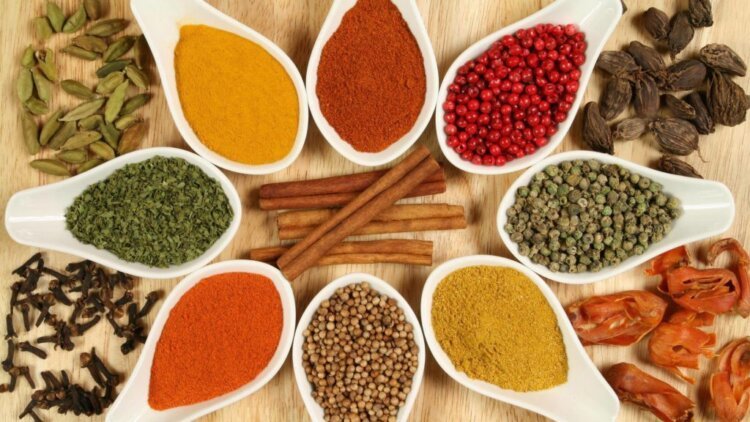
GILGIT/ISLAMABAD: Pakistan’s long-awaited export of medicinal herbs to China, a potential lifeline for Gilgit-Baltistan’s (GB) struggling economy, has been stalled for months due to alleged bureaucratic delays in finalizing a bilateral phytosanitary protocol, despite reported formal approval from Chinese authorities.
The General Administration of Customs of China (GACC) earlier this year issued Announcement No. 192 of 2025, authorizing the import of 29 varieties of Pakistani plant-based medicinal materials, following technical consultations between Beijing and Islamabad. However, the required Protocol of Phytosanitary Requirements, a formal agreement between Pakistan’s Ministry of National Food Security and Research (MoNFS&R), National Agri Trade and Food Safety Authority (NA&FSA) and GACC has yet to be signed and returned by Pakistan’s side.
This inaction, exporters warn, has blocked a major trade opportunity and caused heavy financial losses to GB-based producers and traders who had secured Chinese buyers. “Our buyers are ready, China has opened the door, but our own authority National Agri Trade and Food Safety Department (NA&FSA) are allegedly keeping it shut,” one exporter told this scribe.
The issue has now drawn official attention after Muhammad Ali Quaid, Vice Chairman of the Gilgit-Baltistan Board of Investment and Trade, wrote to Federal Minister for National Food Security and Research, Rana Tanveer Hussain, urging him to personally intervene and expedite the signing of the phytosanitary protocol.
In his letter, Mr Quaid described the delay as “deeply concerning,” noting that the agreement had already been finalized in principle and mutually agreed upon between the MoNFS&R, NA&FSA and the Chinese side. He warned that continued NA&FSA inaction risked damaging investor confidence and wasting a rare opportunity to expand exports to China. The situation has become more adverse and uncontrolled after replacing Department of Plant Protection (DPP) with NA&FSA and appointing non-technical officials on key posts politically where technical officials are required to negotiate technical matters of SPS measures with National Plant Protection Organization of trading and contracting parties of International Plant Protection Convention.
He emphasized that Gilgit-Baltistan’s unique high-altitude terrain and pristine climate make it ideal for cultivating medicinal plants such as atish, buro, and sumbul — herbs in strong demand in China’s traditional medicine industry. “This trade has immense potential to generate employment and foreign exchange for the region,” he said.
The matter first came to light after the Importers and Exporters Association of Gilgit-Baltistan lodged a detailed complaint with Mr Quaid, accusing some officials of the NA&FSA, a subsidiary authority under MNFSR, of “unnecessary and deliberate delay” in forwarding the signed protocol to Chinese authorities.
As per the letter, the association alleged that Mr. Tahir Abbas, additional collector customs from customs department was occupying posts of Director General despite non-technical in SPS measures and Dr. Muhammad Basit, a junior Deputy Director were occupying three posts Directors namely Director Quarantine, Director Registration and Director Locust of BS-19 and his assistant Mr. Muhammad Umar Rathore, Entomologist had allegedly failed to act and respond for sending signed copy of phytosanitary protocol for starting export of medicinal herb from Pakistan to China on repeated requests from the exporters, Pakistan’s High Commission in Beijing, and the Chinese GACC, despite reminders on August 13, 20, and September 1, 2025. It may be noted that these officials reportedly bought these positions from Mr. Waseem Ajmal Chaudhry, Ex-Secretary, MoNFS&R and Dr. Syed Bilal Haider, Ex-Joint Secretary Admin/OSD. Both these bureaucrats have been accused of questionable financial integrity and involvement in many corruption scandals. Dr. Syed Bilal Haider, came into limelight as reported front man of Farah Gogee for extorting money in transfer posting of officers, collecting commissions and kickbacks during Buzdar Punjab corrupt government.
The exporters claimed the delay also caused Pakistan to miss an opportunity to present the signed protocol during the Prime Minister’s visit to China for the Shanghai Cooperation Organization (SCO) summit in early September — a symbolic occasion where the trade pact could have been highlighted as a goodwill gesture.
Earlier due to alleged arbitrary decision-making, incompetency and explicit corruption of these officials, more than 75% decrease in rice export to EU, 100% decline in corn export to Vietnam, 45% export of mango to Iran, 35% export of sesame to China and other countries have been declined. Biosecurity clearances of more than 2000 containers of ginned cotton without mandatory treatment on arrival at entry port in sheer violation of law were reportedly given by NA&FSA.
Similarly, more than hundred containers of betel nuts on allegedly fake testing, coconut, pulses, spices, dry fruits, fresh flowers, betel leaves, propagation material and 5 vessels of oil seeds on reported fake inspection were released in sheer violation of quarantine rules by extorting money. The key officials allegedly involved in these illegal releases and policy making are NAFSA Board Members, Dr. Syed Bilal Haider, Tahir Abbas, Muhammad Basit, Muhammad Umar Rathore, Muhammad Taufiq, Noman Khalid, Muhammad Amjad, Farrukh Asghar, Ghalib, Saif-u-Rehman, Abdul Samad, Shafee Muhammad, Dr. Illahi Bux Bhatti, Suresh Kumkar, Zaffar Ahmad, Entomologists. Billions of rupees bribe has reportedly been taken in such illegal releases, sources inside the MoNFS&R and NA&FSA revealed. It has been learnt that Dr. Syed Bilal Haider has been allegedly patronizing this mafia for personal gain and ulterior motives.
Traders further complained that the NA&FSA had become a bottleneck for Pakistan’s agro-export sector, accusing its board members and officers of arbitrary decision-making, incompetency on sanitary and phytosanitary (SPS) standards, and corruption. They warned that if the issue remains unresolved, they may launch a public protest against what they described as “bureaucratic hegemony, abuse of power and political neglect.”
Experts say the medicinal herb trade could emerge as a high-value export sector for Pakistan if formalized under a phytosanitary framework with China. Estimates suggest that Pakistan could earn tens of millions of dollars annually through exports from Gilgit-Baltistan and northern Khyber Pakhtunkhwa, provided the regulatory processes are streamlined.


