


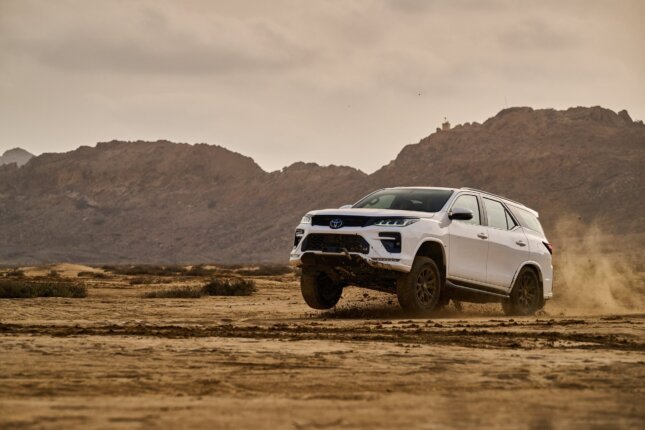
ISLAMABAD: In what industry experts are calling a major policy failure, Pakistan’s once-thriving automotive manufacturing sector appears to be shifting gears — from production to import. Indus Motor Company (IMC), major automotive firm and the assembler/manufacturer of Toyota vehicles in Pakistan, has now expressed formal interest in the commercial import of used cars, taking advantage of the government’s newly introduced auto policy that critics say favors importers over local manufacturers.
In a letter to the Engineering Development Board (EDB), IMC sought clarity on procedural requirements, documentation, and compliance steps necessary to begin importing used vehicles. The company’s move though “reluctant,” as stated underscores the uncertainty created by the government’s controversial SRO 1895(I)/2025, issued on June 30, which allows commercial import of used vehicles under HS Codes 8702, 8703, 8704, and 8711.
IMC stated that while its core focus remains on local CKD (Completely Knocked Down) operations, which generate employment and support parts localization, it cannot ignore the shifting policy environment. “Given the new framework, the company is exploring imports to sustain its business operations,” an industry source told The Public Tribune.
Auto sector stakeholders warn that the move could mark the beginning of a broader exodus from domestic production. “When even Toyota starts importing used cars, it signals a complete collapse of confidence in government policy,” said a senior representative from the Pakistan Association of Automotive Parts and Accessories Manufacturers (PAAPAM).
The import policy, originally intended to stabilize car prices and enhance consumer choice, has been criticized for undermining local investment and encouraging foreign currency outflows. Industry insiders estimate that the policy could lead to a 30–40% decline in local production if assemblers pivot to imports, eroding thousands of jobs and billions in value addition.
IMC highlighted its readiness to manage imported vehicle distribution and service through its network of 58 dealerships across Pakistan, staffed with trained engineers and technicians capable of ensuring aftersales support. But analysts argue this reinforces the fear that Pakistan’s auto sector is being pushed toward trading and away from manufacturing.
As the government celebrates “market liberalization,” the ground reality is stark: a policy designed to promote competition might just end up importing unemployment while exporting industrial capacity.
Background:
Pakistan’s auto industry, already reeling from high inflation, rupee depreciation, and fluctuating tariffs, has long demanded a consistent, protection-oriented policy framework. However, the new import regime has reignited fears of deindustrialization, as multinational assemblers like Toyota now look abroad for sustainability rather than investing in local expansion.
Industry experts have urged the government to revisit the policy immediately, warning that without corrective action, Pakistan could soon become an import hub for used vehicles, reversing decades of progress in auto manufacturing.


